
Treatments
Whether you’re considering facial plastic surgery or non-surgical cosmetic treatments, Dr. Daria Hamrah is dedicated to helping you achieve your ideal look. With expertise in facelifts, rhinoplasty, eyelid surgery, and facial contouring, he takes a personalized approach, carefully listening to your goals and creating results that look natural and uniquely you.

Dr. Daria Hamrah’s Longevity Facelift
Dr. Daria Hamrah’s Longevity Facelift, a specific modification of the Deep Plane Facelift, is a modern approach to facial rejuvenation, combining the latest deep plane facelift techniques with preservation principles for natural, long-lasting results. This advanced procedure enhances facial contours, reduces sagging, and restores youthful volume, all while promoting faster recovery and minimal downtime.
Surgical
Surgical treatments offer precise, longer lasting solutions to enhance your appearance and restore confidence. From facelifts to eyelid surgery, these procedures address concerns like sagging skin, wrinkles, and facial asymmetry, delivering natural results tailored to your goals.

Longevity Facelift
A specific modification of the Deep Plane Facelift designed to deliver natural, long-lasting rejuvenation through advanced techniques and personalised care.
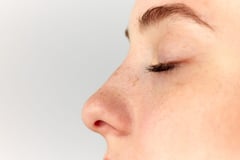
Nose Job Surgery (Rhinoplasty)
Adjusts the nose to improve symmetry, balance facial features, and boost confidence.
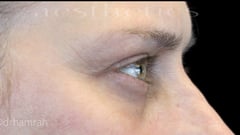
Brow Lift
Lifts the outer brows to open the eyes, smooth temple-area lines, and create a brighter, more refreshed look.
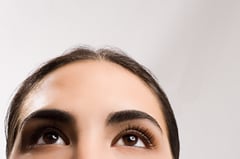
Forehead Lift
Smooths wrinkles and raises drooping brows, creating a refreshed and more youthful appearance.
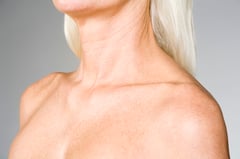
Deep Neck Lift (Platysmaplasty)
Tightens muscles, removes fat, and smooths skin for a defined, youthful neckline.
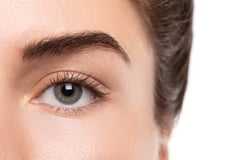
Eyelid Lift (Blepharoplasty)
Improve the appearance of sagging, puffy, or wrinkled eyelids.

Stem Cell/Nano Fat Grafting
Add fullness and definition for a more confident, natural look.
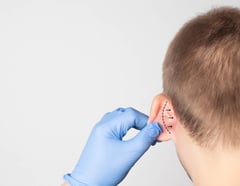
Ear Surgery (Otoplasty)
Reshapes and adjusts the ears to correct concerns like protrusion or asymmetry.
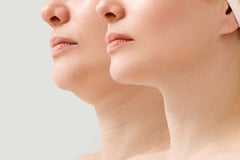
Facial Liposuction
Removes unwanted fat from areas like the cheeks, chin, neck, and jawline, helping restore definition and balance to your face.

Facial Implants
Add or restore natural contour and balance to the chin, jaw, and cheeks.
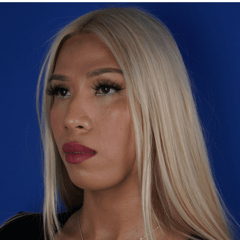
Facial Feminization Surgery
A highly specialized set of procedures designed to soften facial features and create a more traditionally feminine appearance.
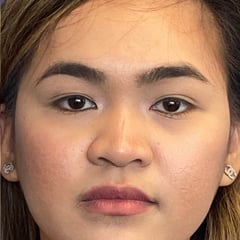
Buccal Fat Removal (Bichectomy)
Removes excess cheek fat to create a slimmer, more sculpted midface and enhance natural definition.
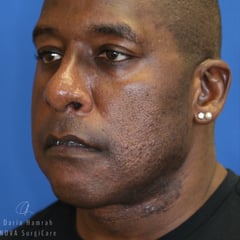
Chin Surgery (Genioplasty)
Reshapes or repositions the chin to improve facial balance and strengthen overall profile harmony.
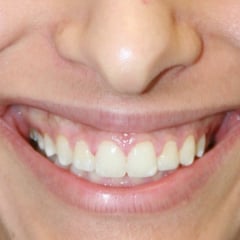
Lip Lift (Cheiloplasty)
Shortens the space between the nose and upper lip to enhance lip shape, increase visible fullness, and create a more youthful smile.

Dimple Surgery (Dimpleplasty)
Creates natural-looking dimples by subtly shaping the cheek tissue for a soft, youthful accent when you smile.
Non-Surgical
Provide effective options for smoothing wrinkles, restoring volume, and improving skin tone without the need for surgery. From Botox to chemical peels, these minimally invasive procedures help enhance your natural beauty with little to no downtime.
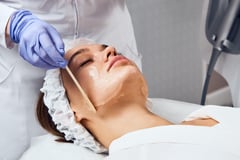
Chemical Peels
Uncover smoother, brighter skin and address fine lines, acne, and dark spots.
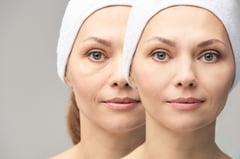
Facial Wrinkle Treatment
Reduce fine lines and wrinkles with Botox, fillers, or chemical peels to smooth your skin and restore a youthful look.
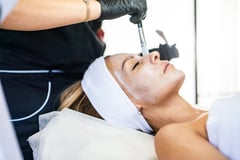
Medical Grade Facials
Rejuvenate your skin with a customized facial that deeply cleanses, hydrates, and nourishes, leaving you feeling renewed and refreshed.
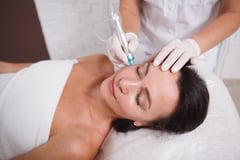
Microdermabrasion
Removes damaged skin to improve fine lines, age spots, scars, and blemishes while boosting skin renewal.
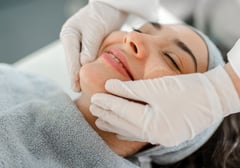
Hydra Facial MD
Cleanses, exfoliates, and hydrates for smoother, hydrated, glowing skin.
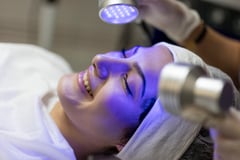
Phototherapy BBL
Targets age spots, redness, veins, and acne using light energy to boost collagen and improve skin tone and texture.
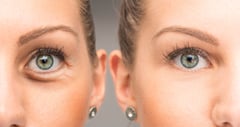
AccuTite
Uses radiofrequency energy to tighten delicate areas like the face and under eyes with minimal downtime.

FaceTite
Minimally invasive procedure using radiofrequency energy to tighten and contour the face and neck.

EVOKE – Facial Contouring Treatment
Applies radiofrequency energy to deliver deep heating beneath the skin, breaking down fat and stimulating collagen production to sculpt and contour the face and neck.
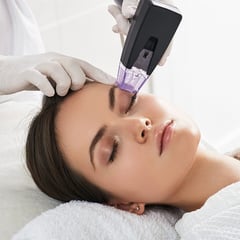
Morpheus8
Combines microneedling and radiofrequency to tighten skin, reduce wrinkles, and improve texture.
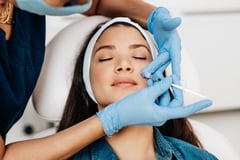
Botox
Relaxes the muscles that cause wrinkles, softening fine lines for a smoother look.
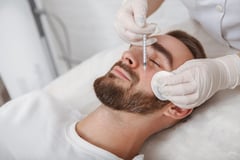
Fillers
Injected beneath the skin to restore its natural, youthful structure.

Weight Loss
Achieve lasting results with a personalized, non-surgical program designed to support safe, sustainable weight loss.
What’s the difference between a facial cosmetic surgeon and a plastic surgeon?
A plastic surgeon trains broadly across the whole body, including reconstruction. A facial cosmetic surgeon completes a surgical residency and then focuses dedicated training on cosmetic surgery of the face and neck. Both can be excellent; what matters is how much of your specific procedure the surgeon does.
What does “board-certified” actually mean, and how do I check?
It means a surgeon passed a recognized board’s written and oral exams after completing accredited training. Ask “certified by which board, in what?” and look it up on that board’s website.
What is an oral and maxillofacial surgeon?
A surgeon trained in the jaws, face, mouth and neck, typically through dental school plus a 4 to 6 year hospital-based surgical residency. They treat facial trauma, jaw deformities and facial reconstruction.
What questions should I ask any surgeon at a consultation?
How many of this exact procedure do you do each year? Can I see before-and-afters of patients with my features? Where is surgery performed, and is it accredited? Who gives anesthesia? What happens if I need a revision?
Is an accredited surgical facility important?
Yes. An accredited facility meets external standards for safety equipment, staffing and emergency protocols. Our surgical facility in Tysons Corner, Virginia is accredited through the American Association of Oral and Maxillofacial Surgeons (AAOMS).
How do I know if a surgeon is right for me?
Look for consistent results on faces like yours, honest answers about what surgery can’t do, and a surgeon who sometimes says “you don’t need this yet.”
Follow Dr. Daria Hamrah
Join a community of over 445K people who prioritize longevity, optimal health, and cellular wellness. As a leading expert in facial cosmetic surgery and anti-aging medicine, Dr. Hamrah shares insights on aging, surgical and non-surgical solutions, and how to make informed choices for your health, beauty, and overall well-being.