
Botox for forehead wrinkles can soften expression lines, but the effect is temporary. Early improvement may appear within three to five days, full results may take about two weeks, and effects last approximately three to four months. As treatment wears off, muscle activity gradually returns and wrinkles move back toward their pretreatment appearance. This is part of the treatment’s natural timeline, not an abrupt reversal.
It’s understandable to want smoother lines without losing the expressions that make your face feel like you. Natural-looking results depend on a thoughtful treatment approach and realistic expectations about how your forehead may look over time.
This guide explains what a forehead Botox appointment and recovery involve, how to support balanced results, which side effects to watch for, and what may happen as the effect fades. You’ll also learn how forehead lines differ from frown lines and why that distinction can shape a personalized treatment plan.
Key Takeaways
- Early improvements may appear within three to five days, while full results can take about two weeks.
- Forehead and frown-line treatments may be planned together, with the approach guided by the muscles and lines being treated.
- Natural-looking results depend on balancing wrinkle softening with the movement you want to preserve.
- Learn which temporary side effects can occur and what changes call for medical attention.
- As Botox wears off, muscle activity gradually returns and wrinkles move toward their pretreatment appearance.
What to Expect During and After a Forehead Line Botox Treatment?
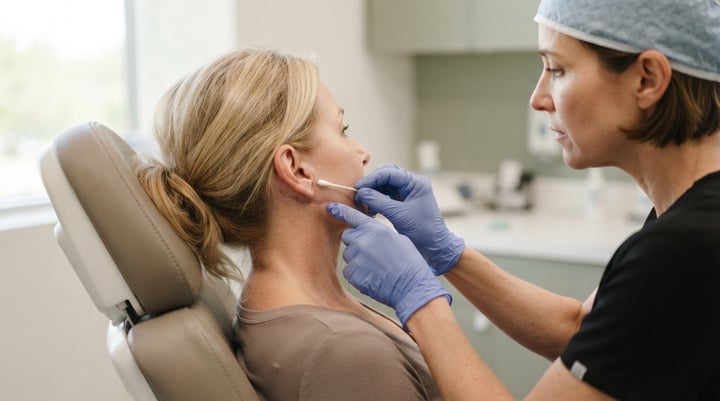
A forehead Botox visit typically takes 10 to 15 minutes. The injection plan depends on whether you’re treating horizontal forehead lines, frown lines between the brows, or both.
Injection Placement, Dosage, and Counts
Placement and dosage describe where injections go and how much product each area receives. They matter because forehead and frown lines involve different muscles, so a combined plan considers both areas.
For horizontal lines, practitioners may mark three to five prominent folds, with injection points about 1-2 cm apart. A typical forehead dose is 8 to 20 units, while individual sites may receive 2-4 units. Frown lines between the brows may be treated with injections in the glabellar area. Typical doses are 15 to 25 units for the area, with 4-6 units per corrugator muscle and 2-4 units in the procerus.
Visit Duration and Injection Comfort
Visit duration includes the brief injections and time to assess the treatment areas. Knowing the typical 10 to 15 minutes helps you plan without treating the appointment as a lengthy procedure.
A fine needle delivers each injection into selected muscles. You may feel a brief pinch or pressure at each point; comfort varies by person and injection site. Tell the doctor about previous Botox injections and any concerns before treatment so those details can inform your discussion. Fillers work differently: they add volume rather than relaxing the muscles that create movement-related lines.
Activity Guidance After Injections
Aftercare means limiting activities that could disturb the treated area while the injections settle. For the first four hours, remain upright; avoid rubbing or massaging the forehead for 24 hours.
Skip strenuous exercise for 24 hours after treatment. These steps are practical to plan around, especially if your schedule includes a workout, facial, or other hands-on treatment. Follow the specific instructions given for your injections, since your treatment plan determines which areas need care.
When forehead and frown-line injections are combined, the overall plan may use 25 to 45 units across both areas. The number of injection points and units varies with the muscles treated and the pattern of movement. The aim is to address the selected lines while considering how the forehead and brows work together, rather than treating each mark in isolation.
Forehead Botox pricing depends on the treatment areas, number of units, local practice costs, and provider’s expertise; the price depends on the case and is given after a quote request.
To choose a qualified, licensed Botox provider in your area, look for a clinician with relevant injection training who reviews your facial movement, medical history, and goals. A clear explanation of placement, dosage, and aftercare helps you understand the proposed plan before treatment.
Combining Botox with other cosmetic treatments
Botox and other cosmetic treatments address different features, so combining them starts with identifying what creates each line. Botox relaxes muscles that produce dynamic wrinkles during expressions; treatments that add volume or support skin texture address different concerns. This distinction helps set realistic expectations before planning more than one procedure.
For horizontal forehead lines, practitioners generally use 10-30 units of Botox. The amount and placement depend on the muscle movement and lines being treated, rather than a fixed dose for everyone. A clinician assesses how the eyebrows move and whether lines appear mainly during expression or remain visible at rest. That assessment helps distinguish a muscle-driven crease from a static line.
Static lines are visible even when the face is relaxed. Botox targets movement-related wrinkles, so it may soften the muscle action that deepens a line without removing the crease itself. Fillers work differently by adding volume, while microneedling or radiofrequency may be considered for persistent lines. These options address different tissue changes, so the treatment should match the concern rather than follow a one-size-fits-all combination.
Pairing procedures requires attention to how each treatment affects facial structure and expression. For example, relaxing forehead muscles can soften repeated creasing, while a treatment directed at skin texture addresses a separate layer. The sequence and combination depend on the areas treated and the desired balance. Combining treatments isn’t automatically better; each addition should have a clear purpose.
Results can seem limited when the main concern is a static crease rather than muscle movement, or when the treatment plan doesn’t match the cause of the line. Botox also takes time to show its full effect: initial improvement may appear within three to five days, with full results taking about two weeks. Judging the outcome too early can make a gradual response seem ineffective.
Possible complications include headaches, discomfort, uneven results, excessive muscle relaxation, or drooping eyebrows or eyelids. These effects matter when considering additional procedures, because the overall plan should preserve natural expressions while addressing the concern. If Botox is stopped, treated muscles gradually regain full activity and wrinkles return toward their pretreatment appearance. Stopping doesn’t mean the muscles become permanently weaker.
A thoughtful plan begins by distinguishing movement-related lines from creases present at rest, then matching each concern to an appropriate approach. Discussing Botox with a clinician can clarify which changes relate to muscle activity and which may call for a different treatment strategy.
How Can You Achieve Natural-Looking Results with Forehead Botox?
A natural-looking result softens forehead lines while preserving enough movement for familiar expressions. That balance begins with assessing how your eyebrows move when you raise them, frown, or relax your face. Treating every visible line the same way can overlook differences in muscle activity. A measured plan focuses on the specific movements that create the lines you want softened.
Results develop gradually, not all at once. Initial changes may appear within three to five days, while full results can take about two weeks. During that time, forehead movement and line visibility may change as treatment takes effect. Looking at the outcome before the two-week mark can give an incomplete picture of how smoothly your forehead has settled.
Botox effects on the forehead typically last three to six months, with an average duration of approximately three to four months. The effect then fades as treated muscles regain activity. People who exercise frequently or use expressive facial movements may find the effect lasts closer to three months. These patterns help explain why two people treated at the same time can notice different timelines.
Lifestyle habits support recovery, but they don’t stop the treatment from wearing off. Follow the aftercare instructions for the first day, including avoiding strenuous exercise for 24 hours and keeping hands away from the treated area. Once that immediate period has passed, normal activity doesn’t guarantee longer-lasting results. Frequent exercise and expressive movement can be relevant when anticipating how quickly muscle activity returns.
For people considering Botox for forehead wrinkles, treatment planning should account for both the lines and the movement behind them. For example, someone who wants to soften horizontal lines but still raise their eyebrows needs a plan that preserves that expression. The aim isn’t to make the forehead completely still. Preserving natural movement helps avoid a result that feels disconnected from a person’s usual expressions.
Maintenance is guided by the return of movement and the appearance of lines, not an automatic calendar reminder. Follow-up injections are typically spaced at least three months apart. Allowing the effect to develop fully before assessing it also helps prevent decisions based on early changes. A clinician can consider your previous response, the treated areas, and the movement you want to retain.
Botox for forehead wrinkles addresses dynamic lines formed during facial movement, while skin resurfacing and other approaches address different concerns, such as texture or lines visible at rest. Matching the treatment to the concern supports a more cohesive result. Define what you want to change, such as a deep crease during a frown, and which expressions you want to keep.

What Are Common Side Effects and How Can They Be Managed?
Botox is generally postponed during pregnancy or breastfeeding and for people with certain neuromuscular disorders. Most immediate effects are temporary, but knowing which changes to expect helps you respond appropriately.
Common Side Effects and Rare Risks
Common side effects are usually localized, short-lived reactions such as bruising, swelling, or a brief headache. They typically resolve within a week after treatment. A rare risk is temporary eyelid drooping, reported in less than 1% of forehead treatments; it typically resolves within 4 to 6 weeks as the effect fades.
Botulinum toxin can also affect muscles beyond the intended injection area. Symptoms related to spread may occur hours or weeks after the procedure, so tell your provider about new or concerning changes. Uneven results, excessive muscle relaxation, and discomfort are other possible complications. Discussing your facial movement and treatment goals beforehand helps clarify which effects are possible for your planned areas.
Managing Side Effects With Aftercare
Aftercare means protecting the treated area and following the instructions provided for your injections. Avoid rubbing or massaging the forehead for 24 hours, and wait 24 hours before strenuous exercise. These steps help reduce unnecessary pressure or activity around freshly treated muscles while the injection takes effect.
A small bruise or mild swelling can be monitored as it settles. If a headache or other effect persists beyond the usual first week, contact your provider for guidance rather than trying to treat it with additional procedures. Report eyelid drooping, marked asymmetry, or symptoms that appear away from the injection area, since these changes deserve individual assessment.
The effect on frown lines usually lasts approximately three to four months. As botulinum toxin wears off, facial muscles gradually regain activity, and frowning may return. Research has found an association between preventing frowning and reduced negative mood. That finding describes an association, not a guaranteed emotional benefit for every patient.
Reduced frowning can feel unfamiliar at first, especially if you use brow movement to communicate emphasis or concern. For example, you may notice that a habitual frown is softer while speaking or concentrating. The goal is to understand how the change affects your expressions, not to assume that a smoother forehead should alter your mood or personality.
Tell your provider about previous botulinum toxin injections, relevant health conditions, and any side effects you’ve experienced. This context can help guide decisions about treatment timing and areas. If you’re pregnant, breastfeeding, or have a neuromuscular disorder, postpone treatment and discuss your circumstances with a healthcare professional.
Forehead wrinkles after Botox wears off
As Botox wears off, treated muscles gradually regain activity, and forehead lines return toward their pretreatment appearance. The change is gradual, not a sudden switch: movement becomes more noticeable, and expression-related creases can reappear.
The timing varies. Effects commonly last three to six months, with an average duration of approximately three to four months. As the effect fades, you may first notice small changes when raising your eyebrows or concentrating. Fine lines can become more visible with repeated movement, while deeper creases may remain noticeable even when your face is relaxed.
This difference matters because Botox acts on dynamic wrinkles, the lines created by muscle movement. A crease that remains visible at rest has a static component, so its appearance may not change in the same way as the treatment fades. For example, a frown line may become more distinct as the muscles contract again, while a resting crease may have been visible throughout treatment.
Wrinkles returning does not mean the treatment has permanently changed your skin or that lines must become worse than before. The expected pattern is a gradual return toward your pretreatment appearance. Looking at your forehead both at rest and during expressions can help distinguish returning movement from a line that was already present without movement.
Patients sometimes interpret the first visible movement as a sign that treatment has stopped working altogether. Instead, notice which movement has returned and whether lines appear only with that movement or also at rest. A photo taken before treatment can help you compare the same expressions later. Assessing changes in similar lighting and facial positions makes the comparison more meaningful.
There is no requirement to repeat treatment as soon as movement returns. The decision can reflect your preferences, how much movement you want to retain, and whether the lines bother you at rest. If you choose another treatment, discuss the timing and your previous response with your clinician. A new plan can account for changes in your goals or facial movement.
In the United States, Botox cost depends on the case and is given after a quote request; factors include treatment areas, units used, and provider location.
If you’re weighing whether to continue, pause, or adjust treatment, discuss your Botox treatment plan with Dr. Daria Hamrah. A review of your initial appearance, returning movement, and current priorities can help clarify the next step.
Dr. Daria Hamrah: Botox
Dr. Daria Hamrah offers Botox for patients seeking to soften forehead lines while retaining natural facial expression. A personalized discussion can clarify whether your lines are mainly linked to muscle movement, what changes you hope to see, and how treatment may fit your aesthetic goals. This can be especially useful if you’re considering treatment for the first time or deciding what to do as movement returns after previous injections.
Botox focuses on expression-related lines; it doesn’t address every skin concern or replace surgical options when those better match your goals. Understanding that distinction can help you choose a thoughtful next step rather than expecting one treatment to address unrelated concerns.
Contact Dr. Daria Hamrah to discuss whether Botox aligns with your goals.
Choose a Treatment Plan That Feels Like You
The next step is to define what you want to preserve as clearly as what you hope to change. For botox for forehead wrinkles, that might mean softening a crease while keeping expressive eyebrow movement, or deciding that treatment isn’t right for you now. A focused conversation can turn those priorities into a plan that reflects your features and comfort level.
Dr. Daria Hamrah offers Botox for facial rejuvenation. For goals that extend beyond expression lines, her offerings also include the Deep Plane Facelift (Longevity Facelift) and rhinoplasty. Each addresses a different concern, so the right direction begins with the change you want to make.
Contact Dr. Daria Hamrah to discuss your goals and explore a thoughtful next step. Your treatment choices can support a look that feels authentically yours.
Frequently Asked Questions
How Does Botox Affect the Neuromuscular Junction to Relax Lines?
Botox reduces the signal that tells a muscle to contract. At the neuromuscular junction, nerves communicate with muscles using acetylcholine, a chemical messenger. By blocking that signal, Botox temporarily reduces activity in selected muscles, which can soften lines created by repeated movement. For example, less contraction in the forehead muscle can reduce creasing when you raise your eyebrows. The effect is temporary, not a permanent change to the muscle.
How Does Botox Balance Wrinkle Reduction and Facial Expression?
Balance comes from targeting the movements that create lines while preserving expressions you want to keep. During planning, consider how your forehead looks when relaxed and when you raise your eyebrows or frown. For example, you may want less horizontal creasing but still want your brows to move naturally during conversation. Sharing those preferences helps shape a plan around your facial expression, rather than treating every visible line as something to erase.
How Is a Botox Consultation and Patient Assessment Conducted?
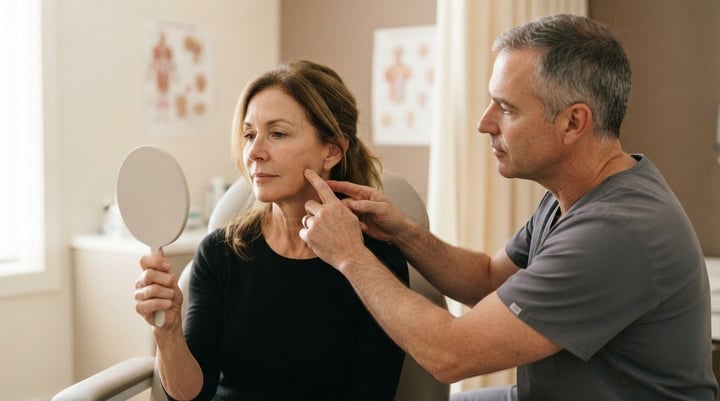
A consultation typically considers your goals, facial movement, medical history, and previous Botox treatments. The clinician can observe your forehead at rest and during expressions, then discuss which lines are linked to muscle activity. Before the visit, note your priorities, such as softening a crease without changing how your brows move. Mention relevant health conditions and previous treatment so these details can inform the assessment and discussion.
How long until I see results and how long do they last?
Some improvement may appear within three to five days, while the full effect can take about two weeks. Results commonly last three to six months, with duration varying between individuals. For instance, you might notice forehead movement returning before every line is visible again. Give the treatment time to develop before judging the result, then consider changes in movement and line visibility when discussing whether another session fits your goals.
How many injections will I receive?
The number depends on the areas treated and the pattern of muscle movement. A common frown-line plan describes five injections between the brows and lower forehead. Horizontal forehead treatment uses points placed along prominent folds, so the count can differ according to the pattern being treated. If both areas are addressed, the clinician plans placement across each region rather than using one fixed injection count for every patient.
What Are Forehead Lines and How Do They Form?
Forehead lines are horizontal creases commonly created when the frontalis muscle contracts to raise the eyebrows. Repeated movement can make these lines more noticeable over time. You may see them most clearly when lifting your brows, while other creases remain visible even with a relaxed face. That distinction matters because movement-related lines and lines present at rest have different causes, which can influence the approach to treatment.
How does Botox reduce forehead wrinkles, and how long does it last?
Botox temporarily relaxes the forehead muscle responsible for raising the eyebrows, reducing the repeated movement that forms horizontal lines. Its effects usually last several months, then muscle activity gradually returns. For example, you may first notice more movement when lifting your brows, followed by the gradual return of creasing. As the effect fades, the forehead moves toward its pretreatment appearance rather than changing suddenly.
What is the typical Botox dose for forehead wrinkles?
A typical forehead treatment uses 10 to 20 units, but the amount depends on the treatment area, muscle activity, and desired degree of movement. Practitioners may use 2 to 4 units at each injection site for horizontal forehead lines. These figures describe common approaches, not a personal dose recommendation. The planned amount and injection placement should reflect the specific lines and expressions being addressed.