
Frown lines develop through repeated muscle movement, so relaxing those muscles can soften their appearance without changing the face’s underlying structure. Botox for frown lines uses botulinum toxin to temporarily reduce the contractions that contribute to vertical lines between the eyebrows. BOTOX Cosmetic is FDA-approved in the United States to temporarily improve moderate to severe frown lines in adults.
It’s understandable to want a refreshed look rather than a frozen expression. Botox targets a specific source of expression lines, and its temporary effects can be tailored to facial movement and personal goals. Effects may begin to appear within a few days, with the best results usually appearing after two to three weeks.
This guide covers potential benefits, what to consider when choosing a professional, how treatment and aftercare generally work, and what may help limit the return of frown lines. It also explains why an individualized assessment matters: the right approach depends on how your brow muscles move and whether lines appear only with expression or remain visible at rest.
Key Takeaways
- Learn how botulinum toxin temporarily relaxes targeted muscles and why that can soften frown lines.
- Understand how a professional assessment shapes treatment planning and preparation to help reduce bruising risk.
- Review practical aftercare guidance, including why it’s important to avoid rubbing or pressing on treated areas.
- See how treatment may help limit repeated muscle movement, while results remain temporary and vary by person.
- Explore the potential benefits and what to consider when deciding whether treatment fits your goals.
Why Is Botox Still Popular For Reducing Frown Lines?
Botox remains popular because it targets muscle activity that contributes to expression lines. Glabellar frown lines are vertical creases between the eyebrows, formed as the muscles contract during expressions such as concentrating or squinting. In the United States, BOTOX Cosmetic is FDA-approved to temporarily improve moderate to severe frown lines in adults. Its cosmetic approval dates to 2002.
Botulinum toxin injections interrupt nerve signals that tell targeted muscles to contract. As the treated muscles relax, the skin above them folds less during facial expressions, which can soften dynamic wrinkles. The effect is temporary and does not change the skin’s underlying structure. Muscles typically begin relaxing, and lines may become less noticeable, within the first week.
The injection plan depends on the movement being treated. For frown lines, a qualified professional assesses how your brow muscles contract and where lines appear, then uses a fine needle to inject selected areas. You may feel a brief pinch or pressure, and small red spots can remain for a few hours to a few days.
Botox, Dysport, Xeomin, and Daxxify are neuromodulator options used to relax targeted muscles, but their formulations and dosing differ. OnabotulinumtoxinA and incobotulinumtoxinA have a 1:1 strength-of-action ratio, while onabotulinumtoxinA and abobotulinumtoxinA have a 1:2.5 ratio. Those ratios aren’t instructions for converting doses; product units aren’t interchangeable, so the professional selects and doses the product for the treatment area.
Botulinum toxin can also address movement beyond the brow. For downturned mouth corners, injections may target the depressor anguli oris, or DAO, muscle, which pulls the corners downward. A typical dose is 2 to 4 units of BOTOX per side. This is a distinct treatment from glabellar injections, and its placement and dose are planned around the lower-face muscles.
Like any injection, treatment can cause temporary reactions. Redness or small spots may appear at the injection sites, and cosmetic Botox side effects can occur hours to weeks after injection. Possible effects depend on the product and treatment area. Seek prompt medical attention for symptoms that feel severe or concerning. A careful assessment helps determine whether treatment suits your goals and facial movement.
In the United States, the cost of Botox for frown lines depends on the treatment area, product, amount used, and individual treatment plan; pricing is provided after a quote request. Rather than relying on a generic unit estimate, the relevant comparison is the planned dose and what it is intended to address. This keeps the discussion focused on the specific muscles and outcome being treated.
Where Can You Get Botox Treatments Near You?
Start with an appointment at a nearby medical aesthetics practice where a clinician assesses your frown lines and facial movement. The consultation should cover your goals, health history, medications, and any previous botulinum toxin treatment. BOTOX Cosmetic is approved for adults, and the treatment is not appropriate during pregnancy or breastfeeding. A clear review helps determine whether a nonsurgical approach fits your needs.
Preparation includes discussing medicines and supplements that can affect bruising. Patients are advised to discuss aspirin and medicines or supplements with anticoagulant effects before treatment, since guidance may include stopping them two weeks beforehand. Don’t stop prescribed medication without advice from the clinician who manages it. Alcohol and certain medicines, including aspirin or ibuprofen, are also commonly avoided for a few days before injections; alcohol within 24 hours can increase redness and bruising.
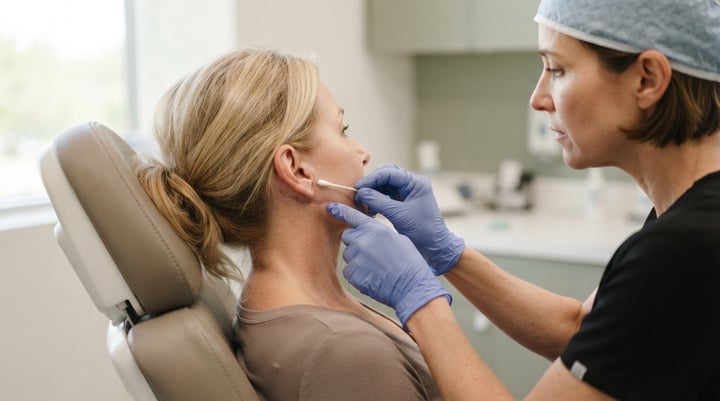
At the appointment, the clinician examines how your brow muscles move, identifies injection sites, and plans the treatment around your facial anatomy. A fine needle delivers small injections into selected muscles. Anesthesia usually isn’t necessary, and the injections take only a few minutes. The full appointment may include assessment and preparation, with a typical treatment taking less than 30 minutes.
Botox is a nonsurgical wrinkle treatment, so it doesn’t involve an operation or surgical recovery. Its effects develop gradually rather than appearing immediately. Facial muscles often begin to relax within a few days, while the best results for frown lines usually appear after two to three weeks. Keep that timeline in mind when planning around an upcoming event.
For glabellar frown lines, the listed typical dose is 20 to 25 units of Botox. This is a reference point, not a universal prescription: muscle strength, movement patterns, and the treatment plan influence the amount selected. Botox units also aren’t interchangeable with units of other botulinum toxin products, so dose comparisons shouldn’t replace an individualized assessment.
The cost of treatment depends on the product, the amount used, the area treated, and the individual plan; pricing is given after a quote request. A nearby consultation can clarify how those factors shape your treatment. If you’re considering a tailored assessment, explore Botox treatment planning as a next step.
Aftercare recommendations
Aftercare means caring for injection sites and following your treating clinician’s instructions. Pressure, heat, and activity may affect the treated area, so pay attention to the guidance for the first hours after treatment.
Recovery After Treatment
Botox recovery is the short period of care after injections while the treatment takes effect. A wrapped ice pack may ease tenderness, but don’t press it against your skin. Small red spots can take a few hours to a few days to fade, so temporary marks may be visible after your appointment.
Follow the specific timeframes your clinician gives you. Common recommendations include sitting upright and avoiding pressure on the treated area for about four hours. Some clinicians advise avoiding strenuous exercise for 24 to 48 hours, while others recommend waiting until the next day. These instructions can differ, so use the guidance provided for your treatment.
Keep injection sites clean, and avoid applying makeup immediately after treatment. Because injection points create small breaks in the skin, clinicians may recommend waiting before applying products. If you have tenderness, use a cool pack gently instead of rubbing or pressing your forehead.
How your provider guides aftercare to help avoid Botox migration
Migration refers to product affecting muscles beyond the intended treatment area. Your clinician’s aftercare guidance is intended to limit unnecessary pressure or manipulation while the product settles. Avoid massaging or rubbing your forehead after injections, and don’t apply heat to the treated skin.
Instructions may also include keeping your head level and avoiding bending forward for two hours, then remaining upright for about four hours. Recommendations about lying down vary. Follow the timeframe provided for your appointment rather than combining schedules from general advice.
Some clinicians also advise avoiding exercise and activities that cause flushing during the initial recovery period. These precautions aim to reduce the chance of product spreading, although this rationale isn’t supported by randomized controlled trials. Follow your clinician’s directions, while understanding that precautions cannot guarantee a particular result.
For example, skip a strenuous workout immediately after treatment if your clinician advises waiting, and avoid pressing a makeup sponge onto injection sites. Normal facial expressions are different from rubbing or massaging the area. Don’t add extra restrictions or manipulate your forehead to try to change how the muscles contract. Contact your treating clinician for guidance about a concerning reaction.

Botox’s preventative effect on wrinkles
Repeated facial expressions can deepen dynamic wrinkles over time. Botulinum toxin temporarily reduces activity in selected muscles, so the skin folds less during movements such as frowning. This may soften existing expression lines and limit repeated creasing while the treatment is active. It doesn’t stop every cause of skin aging or prevent wrinkles unrelated to muscle movement.
For glabellar lines between the eyebrows, the effect typically lasts approximately three to four months. More broadly, wrinkle-reducing effects from botulinum toxin injections last about 3 to 6 months. These are temporary effects, not a permanent change to facial muscles or skin. As movement returns, dynamic lines may gradually become more visible again.
Think of prevention as managing repeated muscle movement, not guaranteeing smooth skin indefinitely. If you frown often, you may notice creasing in the same area when you make expressions. Relaxing targeted muscles can reduce repeated folding while treatment is active, but sun exposure, skin changes, and natural aging continue to affect appearance. A treatment plan should reflect the lines that concern you and how your face moves.
Changes in facial expression can affect how you feel about your appearance. Some people feel more comfortable when frown lines look softer; others prefer to keep more movement or choose no treatment. Botox doesn’t promise a particular emotional benefit or level of confidence. Consider whether a temporary change aligns with your personal goals, rather than outside expectations.
Bruising and redness are possible after injections, and small red spots may take a few hours to a few days to fade. Keep this in mind when planning treatment before photographs or social events. Treatment planning should consider your expression and movement, so the result still looks like you.
Because the treatment area is close to the eyes, take new eye symptoms seriously. If you notice a change in vision or another unexpected eye-related symptom after injection, seek prompt medical assessment. Don’t treat serious symptoms as routine recovery or wait for cosmetic effects to settle. Tell the treating clinician when the symptom began and what you’re experiencing.
Botulinum toxin’s preventative value is limited but practical: less activity in selected muscles can mean less repeated creasing while the effect lasts. It doesn’t replace other aspects of skin care, and its effects fade. When considering ongoing treatment, weigh temporary smoothing, your comfort with reduced movement, and the maintenance involved against your priorities.
Benefits of Botox for frown lines
Botox offers a targeted way to soften the vertical lines that appear between the eyebrows during repeated frowning. By temporarily reducing activity in selected facial muscles, it can lessen the folding that contributes to these expression lines. The benefit is specific: it addresses muscle movement, rather than replacing lost volume or changing the skin’s underlying structure.
Clinical studies of BOTOX Cosmetic for frown lines found that physicians assessed significant improvement in 80% of adults at day 30. At that same time point, 89% of treated adults had at least moderate improvement. These findings describe study outcomes, not a promise for every patient, but they illustrate why treatment has become a familiar cosmetic option for the glabellar area.
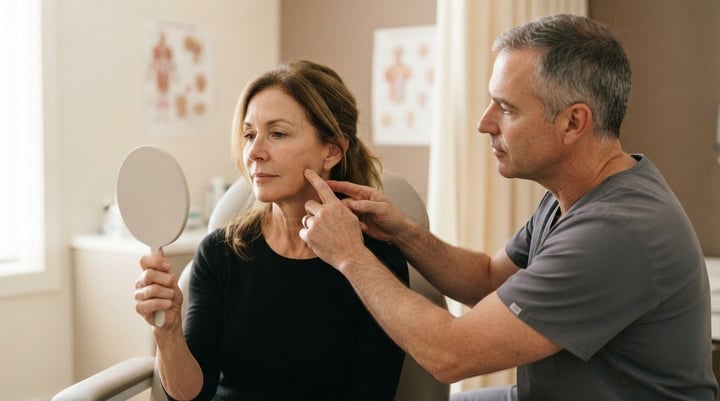
A treatment plan can reflect how your eyebrows move. For example, a clinician may assess whether lines form mainly when you concentrate or remain visible when your face is relaxed. That distinction connects the treatment goal to your pattern of muscle activity. You can discuss whether you want softer lines while retaining some natural movement.
Another practical benefit is that treatment is nonsurgical. A professional uses injections rather than an operation, making Botox an option for people seeking a temporary change without surgery. The treatment itself is brief, but the visible effect develops over time. Planning around that gradual onset helps set realistic expectations before an event or photograph.
Discomfort is usually associated with the injection itself, such as a brief pinch or pressure from the needle. Small red spots or bruising can also occur, and marks may take a few hours to a few days to fade. Keep this in mind when scheduling treatment before work, social plans, or a special occasion.
The most useful benefit is how treatment aligns with your own goals. Some people want a softer appearance between the eyebrows; others value expressive movement more than wrinkle reduction. A thoughtful consultation considers the line pattern, muscle activity, desired degree of movement, and tolerance for temporary injection effects. Botox addresses movement-related frown lines, not every concern affecting facial appearance.
If you’re considering treatment, schedule a Botox consultation to discuss your frown-line goals and a plan suited to your facial movement.
Dr. Daria Hamrah: Botox
Dr. Daria Hamrah offers Botox for people considering a professional approach to frown lines and facial movement. A consultation can help you weigh potential benefits against temporary effects, discuss your goals, and determine whether treatment suits the lines you want to address. The focus is an informed decision, with expectations grounded in your facial features and desired appearance.
Botox is one option within a broader approach to facial rejuvenation. Dr. Hamrah also offers the Deep Plane Facelift (Longevity Facelift), rhinoplasty, and Hydra-facials, each addressing different concerns. For frown lines, Botox may be relevant when repeated muscle movement contributes to the lines.
To discuss Botox for your frown lines, contact Dr. Daria Hamrah.
Choose a Next Step That Fits Your Goals
Choosing Botox for frown lines is a personal decision, shaped by the changes you want and the expression you hope to preserve. A focused conversation can connect your preferences with an appropriate approach, without treating every line or facial concern the same way.
Dr. Daria Hamrah offers Botox, the Deep Plane Facelift (Longevity Facelift), and rhinoplasty. These treatments address different aesthetic goals, so start the discussion with the concern that matters most to you. If your priority is movement-related lines between your brows, keep that goal central and share what a natural-looking result means to you.
A consultation can help you explore whether Botox aligns with your facial goals. Contact Dr. Daria Hamrah to discuss your next step. You deserve an informed choice that feels considered, personal, and right for you.
Frequently Asked Questions
How does botulinum toxin (Botox) work?
Botulinum toxin temporarily interrupts nerve signals that tell selected muscles to contract. With less contraction, the skin above those muscles folds less during expressions. For example, relaxing muscles involved in frowning can soften lines that deepen when you draw your eyebrows together. The effect is temporary, so movement gradually returns. Treatment planning focuses on the specific facial movement and area you want to address.
What is botulinum toxin for facial wrinkles?
Botulinum toxin is a neuromodulator used to temporarily relax selected facial muscles. Botox is a brand name for a botulinum toxin product, not a general term for every wrinkle treatment. It can address wrinkles linked to repeated muscle movement, such as lines formed by frowning. It doesn’t work like a treatment intended to restore facial volume or improve concerns unrelated to muscle activity.
Why Should You Consider Getting Botox?
Consider Botox if movement-related lines concern you and you want a nonsurgical option that temporarily targets muscle activity. It may suit someone whose frown lines become more noticeable during concentration or other expressions. Your decision should reflect your aesthetic goals, comfort with temporary changes, and willingness to maintain results over time. You don’t need treatment simply because a line or expression is visible.
How does Botox treat frown lines between the eyebrows?
For Botox for frown lines, treatment targets the muscles that pull the eyebrows together. As those muscles relax, the skin creases less during frowning, which can soften vertical lines between the brows. A clinician assesses your brow movement and line pattern before planning injection placement. This helps distinguish lines that appear mainly with expression from those that remain visible when your face is relaxed.
How long does Botox take to work for frown lines, and how long do results last?
Changes may begin within a few days, while the best results for frown lines usually appear after two to three weeks. Effects commonly last about three to four months in the glabellar area, though duration varies between individuals. Allow time for results to develop before an important event rather than scheduling treatment immediately beforehand. Facial movement gradually returns as the temporary effect fades.
What should I expect during a Botox appointment for frown lines?
Expect a conversation about your goals and facial movement, followed by a treatment plan for the area between your eyebrows. The clinician places injections in selected muscles using a needle; the treatment itself typically takes less than 30 minutes. Anesthesia usually isn’t necessary. Share relevant health information and mention any previous botulinum toxin treatment, so the clinician can consider it when planning your appointment.
What are the risks and side effects of Botox for frown lines?
Possible effects include temporary redness, small injection-site spots, bruising, or discomfort. Red spots may take a few hours to a few days to fade, and side effects can appear hours to weeks after injection. Rarely, serious effects can occur; swallowing problems associated with BOTOX Cosmetic may last for several months. Contact a medical professional promptly about severe or concerning symptoms rather than treating them as routine recovery.
Who should avoid Botox for frown lines, including during pregnancy or breastfeeding?
If you are pregnant or breastfeeding, discuss whether botulinum toxin treatment is appropriate with a clinician. Tell the treating clinician if you received another botulinum toxin product in the last 4 months. This information matters because prior treatment can affect planning. Share relevant health details and medicines during the consultation, so the clinician can assess whether treatment is appropriate for your circumstances.