
Results from laser skin resurfacing for sun damage build over time, rather than appearing all at once. According to Mayo Clinic, fractional laser resurfacing typically requires 2 to 4 treatments for noticeable results, and improvement can continue in the weeks following a procedure. The timeline depends on the treatment plan and how your skin responds.
It’s natural to wonder when sun spots and uneven tone may start to look different, and what recovery will involve. Fractional non-ablative resurfacing works beneath the skin’s surface to encourage renewal while leaving surrounding tissue intact. This guide explains how treatment addresses sun damage, what affects the timing of visible changes, what recovery involves, and why consistent sun protection matters for maintaining results.
Key Takeaways
- Mayo Clinic says fractional nonablative and fractional ablative procedures typically require 2 to 4 treatments for noticeable results, so plan for progress over a series rather than an overnight change.
- Learn how treatment choice can depend on your skin type, pigmentation, and the specific signs of sun damage you want to address.
- Fractional non-ablative resurfacing targets small areas beneath the skin’s surface, supporting renewal while leaving surrounding tissue intact.
- Recovery varies with the laser and treatment plan; understanding the expected healing process can help you plan around temporary skin changes.
- Consistent sun protection after treatment helps protect the skin and support longer-term maintenance.
What is laser skin resurfacing?
Laser skin resurfacing uses focused energy to improve visible concerns such as sun spots, uneven pigmentation, fine lines, wrinkles, and texture. For sun-damaged skin, the right approach depends on the concern, its location, and how the skin responds to energy. Cleveland Clinic notes that laser resurfacing can reduce wrinkles and even out skin coloring, helping address pigmentation concerns.
A fractional laser treats selected microscopic areas rather than the entire skin surface. It creates tiny zones of controlled injury beneath the skin while leaving surrounding tissue intact. These untreated areas support healing around each treated zone. For example, a plan for mottled pigment and rough texture may differ from one focused mainly on fine lines.
Skin type and pigmentation matter because treatment settings and methods need to suit the skin being treated. A useful assessment distinguishes brown spots from persistent redness or visible blood vessels, then considers the desired change, such as more even coloring or smoother texture. A qualified provider should explain which concern the treatment targets, why it suits your skin, and what recovery involves.
Laser resurfacing and intense pulsed light, or IPL, are not the same technology. IPL uses pulses of broad-spectrum light, not laser energy, and can target melanin in freckles and other pigmented spots. An IPL session for sun damage typically takes 20-30 minutes. Chemical peels use chemical exfoliation, while topical treatments are applied to the skin; the choice depends on the concern and the treatment approach being considered.
Different visible concerns call for different treatment targets. Fractional lasers can address hyperpigmentation, including sun spots and age spots, by targeting excess pigment. Non-ablative lasers can reduce redness and visible blood vessels associated with rosacea and other vascular conditions. A brown sun spot and visible vessels are different concerns, even when both contribute to uneven-looking skin tone.
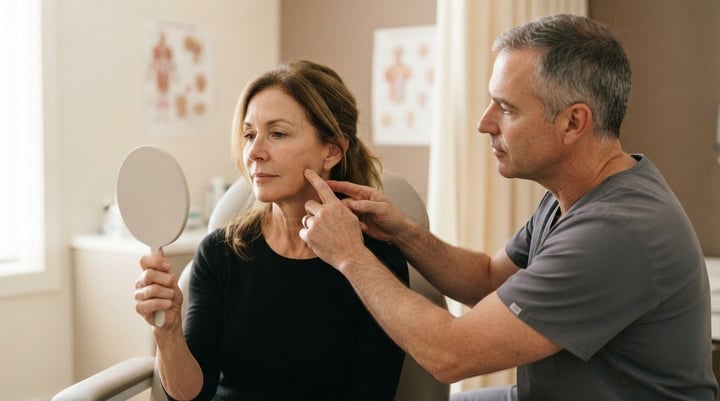
During a treatment discussion, ask what the proposed method targets, how it relates to your skin type and pigmentation, and what changes to expect during recovery. For laser skin resurfacing for sun damage, identifying whether pigment, redness, lines and wrinkles, or texture is the main concern helps clarify the treatment plan. The goal is an approach matched to your skin concern, not simply a device name.
How fractional non-ablative laser resurfacing works
Sun-damaged skin may be treated with fractional ablative or fractional non-ablative lasers. Fraxel Dual is a non-ablative resurfacing option; CO2 and erbium lasers are other resurfacing types, each with different recovery considerations.
A fractional device delivers heat through thousands of tiny columns, also called microthermal zones, in deeper skin layers. These treated zones prompt a renewal response while nearby tissue remains intact. It’s like tending selected rows in a garden instead of disturbing every row. Untreated areas help the skin heal faster than treatment across the entire surface, and fractional delivery lowers the risk of complications.
Non-ablative lasers reach deeper layers without damaging the top skin layer. Heat stimulates collagen production and remodeling, supporting healthier-looking skin while preserving the surface. For sun damage, this approach can target concerns such as pigment and texture. It differs from ablative resurfacing, which treats skin differently and can involve a more involved recovery.
Fractional lasers may be ablative or non-ablative, and treatment can be customized to skin conditions. CO2 resurfacing recovery can take up to two weeks, while erbium resurfacing recovery takes one full week. Fractional laser resurfacing recovery takes one full week. These timelines illustrate why the laser type matters when weighing a cosmetic treatment against work, travel, or other plans.
Fraxel Dual is a non-ablative resurfacing procedure that uses two wavelengths. Its 1550 nm Erbium wavelength stimulates collagen and elastin production. Its 1927 nm Thulium wavelength allows precise targeting of pigmented areas. The wavelength selected shapes the treatment focus: one supports collagen renewal, while the other can address pigmentation linked to sun exposure.
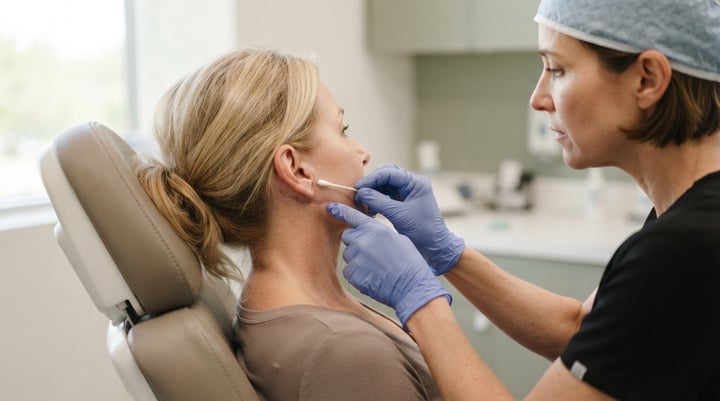
During treatment, a topical numbing cream may be applied for 30-60 minutes beforehand. The provider then moves the laser over the chosen area, delivering controlled energy to the skin. This is different from broad-spectrum light treatments, which aren’t lasers. Understanding the device, wavelength, and skin concern gives you a clearer basis for discussing treatment and recovery. Explore fractional laser treatments as part of that conversation.
Procedure and recovery timelines
Recovery depends on the laser type, treatment area, and intensity. Fractional treatments often cause temporary skin changes, followed by gradual improvement.
The number of sessions and healing time affect how you plan treatment around work and daily activities. Here’s what the main timelines may involve.
Skin Healing and Recovery
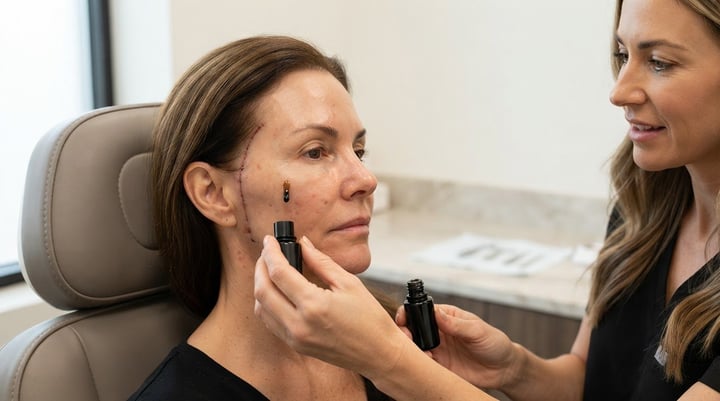
Skin healing and recovery describe the period when treated areas settle and visible changes develop. After non-ablative resurfacing, swelling or a change in skin color may last a few hours. Treated areas generally heal within five to 21 days, depending on the condition and laser type. Redness may fade in two to three months, though it can last longer.
Recovery after fractional laser resurfacing takes one full week. Ablative treatments can take longer: new skin usually covers the treated area in 7 to 10 days, while full recovery takes at least a month. These differences matter when planning time away from social activities or work.
Laser Session Requirements
Laser session requirements describe how many treatments may be planned to reach noticeable results. Mayo Clinic says fractional non-ablative and fractional ablative procedures typically require 2 to 4 treatments. The number of sessions helps set expectations for the overall treatment course, rather than just the day of the procedure.
Improvement can continue in the weeks after a session. A series of treatments may therefore involve both appointments and time for the skin to respond between them.
For sun damage, the procedure itself can take 20-45 minutes per session. The exact duration depends on the treatment area and approach. A partial-face resurfacing treatment takes 30 to 45 minutes, while full-face resurfacing takes 1-1/2 to 2 hours. These examples show how the area treated can shape the appointment.
Redness and swelling are part of the recovery picture, but their timing varies by laser type. Non-ablative resurfacing can cause swelling or color changes for a few hours. After ablative treatment, skin may look inflamed for several months. Recovery after CO2 resurfacing can take up to two weeks, while erbium resurfacing takes one full week.
Possible risks include pigmentation changes, including hyperpigmentation, and scarring. Fractional treatment lowers the risk of complications compared with treating the entire skin surface, but it does not eliminate risk. The laser type, treatment area, and healing process all matter when discussing possible side effects.
After treatment, follow the specific skincare directions provided for your recovery. Avoid aggressive facial treatments such as tretinoin or glycolic acid for four weeks after treatment, and avoid activities that cause flushing for two weeks. These steps can help protect healing skin as it responds.

Sun protection and long-term maintenance
Sun protection is part of preparing for laser treatment and caring for your skin afterward. Timing matters because excess sun exposure can affect skin tone and pigmentation in treated areas.
Preparation and Sun Protection
Preparation means limiting sun exposure and tanning before treatment to help protect the skin’s color response. Mayo Clinic advises avoiding unprotected sun exposure for up to two months before laser resurfacing because excess sun can permanently change the color of treated skin.
Cleveland Clinic advises avoiding tanning or heavy sun exposure and using broad-spectrum sunscreen daily for four weeks before treatment. These timeframes make preparation an important part of planning, especially if outdoor activities are difficult to avoid. For example, arranging treatment after a sunny vacation allows time to follow the recommended sun precautions.
Aftercare and Sun Protection
Aftercare includes protecting treated skin from further sun exposure while it heals. Mayo Clinic recommends sunscreen with an SPF of at least 30 every day after laser resurfacing.
Daily protection matters because treated areas can be more vulnerable to color changes. Follow your treatment’s care instructions, and use sunscreen consistently, not just on bright days. If you spend time outdoors, apply protection before leaving and limit direct exposure while your skin recovers.
Ongoing Sun Protection
Ongoing sun protection means making daily sunscreen and sensible exposure habits part of long-term skin care. Limiting sun exposure during peak hours, between 10 am and 2 pm, can help reduce direct exposure during the day.
Fraxel treatment may be repeated once a year to maintain results. That schedule does not replace everyday protection: sunscreen remains a practical way to help maintain a more even-looking skin tone and protect the skin from further sun damage.
Sun exposure can affect pigmentation even after laser treatment has stimulated collagen production and skin renewal. For example, an area that looks more even after treatment may develop new uneven coloring following unprotected exposure. Consistent protection supports the appearance you’re working toward, though it cannot erase past exposure.
Build a repeatable routine: apply broad-spectrum sunscreen daily, reapply as directed on the label, and reduce time in direct sun during peak hours. Your aftercare plan should also reflect the laser used and your skin’s response. A Fraxel plan, for instance, may involve different treatment timing from another laser approach.
Before scheduling laser treatment, consider whether you can follow the pre-treatment sun precautions and protect your skin afterward. If outdoor exposure is part of your work or daily life, planning around those demands can make the routine more realistic. Pairing treatment with consistent sun protection helps support the long-term maintenance of skin tone and texture.
Laser resurfacing for sun-damaged skin
Sun damage can appear as pigment changes, fine lines, and rough texture. Laser resurfacing addresses these concerns through a treatment plan matched to your skin and the changes you want.
Results for Sunspots, Wrinkles, and Rough Skin
Laser resurfacing can improve the appearance of sun spots, wrinkles, and rough skin by targeting pigment and encouraging skin renewal. The practical benefit is a treatment focused on visible concerns, rather than sun exposure alone.
Fractional non-ablative and fractional ablative procedures typically require 2 to 4 treatments for noticeable results, according to Mayo Clinic. A series allows progress to build across sessions, while collagen production supports smoother-looking texture. The number of sessions is useful context when considering the time involved alongside the expected changes.
Sun spots and hyperpigmentation involve excess pigment, while fine lines and roughness reflect different changes in the skin’s appearance. A treatment plan should account for which concern is most prominent. Someone focused on uneven pigment, for example, may have different priorities from someone seeking smoother texture and improvement in lines.
Changes can continue in the weeks after a procedure. This gradual timeline matters: the first days of recovery do not show the final appearance. Consider results across the treatment course rather than judging the outcome immediately after a session.
Treatment Costs in the United States
The cost of laser skin resurfacing in the United States depends on the treatment plan and is provided after a quote request. The treatment area, laser type, and number of sessions shape the plan, so one generic figure would not represent every treatment.
Treating a limited area, for example, differs from resurfacing a broader area, and a multi-session plan differs from a single appointment. These factors help explain why the treatment plan matters when estimating the overall commitment. There is no universal price for every approach.
Cleveland Clinic states that insurance does not cover laser resurfacing because it is elective cosmetic surgery. Patients considering treatment should therefore account for it as an out-of-pocket cosmetic expense.
Results also depend on matching treatment to the concern. Pigmented spots, wrinkles, and rough texture can call for distinct priorities, even when they occur together. Discussing the change that matters most helps define a focused plan and a meaningful way to assess progress.
Laser resurfacing works with the skin’s renewal process, including collagen and elastin production. The aim is to improve appearance and texture, not to promise that every mark will disappear. Continued sun protection supports maintenance after treatment.
To discuss a plan based on your skin concerns and treatment goals, request a laser resurfacing consultation.
Dr. Daria Hamrah: Medical-grade Skincare
Dr. Daria Hamrah’s Medical-grade Skincare can complement a considered routine for sun-damaged skin. If you’re weighing laser skin treatments, discuss how treatment and daily skincare can work together, including your concerns about pigmentation, texture, and ongoing sun protection.
Consider this next step if you want guidance on a skincare approach that complements your goals or are thinking about maintaining your skin after resurfacing. A conversation can connect your priorities with available options without treating every concern as the same.
For a discussion about Medical-grade Skincare and laser skin treatments, contact Dr. Daria Hamrah.
Make Your Next Step a Thoughtful One
Choosing laser skin resurfacing for sun damage is one part of a broader approach to skin health. Your next step can be a conversation about your priorities, how your skin responds to treatment, and the care that supports your goals over time. A considered plan keeps the focus on what matters to you, rather than pursuing change for its own sake.
If your goals extend beyond skin quality, Dr. Daria Hamrah also offers a Deep Plane Facelift (Longevity Facelift), Rhinoplasty, and Botox. These are distinct options for different facial concerns, not substitutes for resurfacing.
Contact Dr. Daria Hamrah to discuss your goals and possible next steps. A clear conversation can help you move forward with confidence and a plan grounded in your needs.
Frequently Asked Questions
How long does it take to see results after laser treatment?
Improvement may continue in the weeks after treatment, so early healing isn’t the final measure of change. Fractional resurfacing often involves a treatment series, and Mayo Clinic says fractional ablative and non-ablative procedures typically require 2 to 4 treatments for noticeable results. For a practical comparison, track the same areas in consistent lighting over time rather than comparing a healing day with your starting point.
How much sun exposure will damage skin?
There isn’t one exposure duration that defines skin damage for everyone. UV intensity, cumulative exposure, skin type, and protection all influence how skin responds. A brief period outdoors during peak sun can involve more intense exposure than the same amount of time in lower-intensity conditions. Use daily sunscreen and limit direct exposure during peak hours, especially while your skin recovers from a procedure.
Are freckles sun damage?
Freckles are pigmented spots that can become more noticeable with sun exposure, though not every freckle has the same cause. BroadBand Light, or BBL, is pulsed light rather than a laser; it can target melanin and lighten freckles. A treatment discussion can distinguish freckles from other pigmentation concerns, such as sun spots, before choosing an approach. Don’t assume every brown mark is the same kind of spot.
How do I remove sun spots?
Sun spots may be treated with options that target excess pigment, including fractional laser resurfacing or light-based treatments such as IPL. IPL is not a laser. The appropriate option depends on the spot’s appearance and the surrounding skin, so identifying the concern is a useful first step. Don’t try to remove a spot at home with harsh products or treatments that can irritate your skin.
Is sun damage permanent?
Some visible effects of sun damage can improve with treatment, but resurfacing doesn’t erase past sun exposure or prevent new changes. Pigmentation and texture may respond differently, and continued exposure can affect the skin’s appearance again. Daily sun protection supports maintenance after treatment. If a mark changes in appearance, have it assessed before treating it as a cosmetic spot.
What Does Sun Damage Look Like?
Sun damage may appear as uneven pigmentation, including freckles or sun spots, as well as rough texture, fine lines, and wrinkles. Redness and visible blood vessels differ from brown pigment, even though both can make skin tone look uneven. Not every mark has the same cause. Noticing whether the main change is color, texture, or lines can help frame a treatment discussion.
How does ablative compare with nonablative laser resurfacing for sun damage?
Ablative and non-ablative resurfacing differ in how they affect the skin’s surface and in their recovery demands. Non-ablative treatment works beneath the top layer without damaging it, while ablative resurfacing treats skin more directly. Fractional versions of either approach treat selected zones. The choice involves balancing the concern being addressed with the procedure and recovery, rather than selecting a laser by name alone.
What is the recovery time after laser skin resurfacing?
Recovery time varies with the laser type and treated area. After non-ablative resurfacing, swelling or color changes may last a few hours; recovery from fractional resurfacing takes one full week. Ablative resurfacing can take longer, with full recovery taking at least a month. Plan around the specific procedure, and follow its aftercare directions before resuming activities or skincare that may irritate treated skin.